Surgical Instrument Maintenance: Enhancing Patient Safety
Surgical instruments maintenance play a critical role in any surgery and recognizing 5 signs your surgical instruments need replacement immediately is essential for patient safety and optimal surgical outcomes; regular maintenance of surgical instruments, including thorough cleaning with detergent, ultrasonic cleaning, and autoclave sterilization of instruments, helps extend the lifespan of surgical tools, but visible signs of damage such as corrosion, rust, pits, physical damage, dull or worn-out cutting instruments and hinged instruments that stick or show excessive wear and tear mean it’s time to replace them to avoid contamination and compromised sterility. Proper care and maintenance — from cleaning and sterilizing instruments to lubricating moving parts with instrument lubricant or instrument milk, and using an ultrasonic cleaner followed by proper drying and storage in an instrument tray — reduce the risk of instrument damage and minimize repair costs. Inspect instruments regularly, sharpen when appropriate, and train staff in the care and management of surgical instruments to maintain high-quality instruments, extend their life, ensure surgical precision, protect patient outcomes and care, and prevent complications that can arise when maintenance is neglected.
Importance of Surgical Instrument Maintenance
Proper care and maintenance of surgical instruments is critical to patient safety and surgical outcomes, so instrument management and regular maintenance of surgical instruments must include thorough inspection to detect signs of wear, corrosion, rust or visible signs of damage on steel instruments and high-quality surgical instruments; staff training on instrument cleaning, ultrasonic cleaner use, detergent selection, instrument milk or instrument lubricant application, lubrication of hinged instruments and sharpening of cutting instruments like scissor and forceps helps extend the lifespan and reduce the risk of contamination or instrument damage that can lead to complications during a surgical procedure or surgery. Instruments should be carefully cleaned and sterilized—using ultrasonic cleaning, thorough cleaning, autoclave sterilization of instruments, and proper sterilization of instruments in instrument trays—to maintain sterility and prevent pits and corrosion that shorten the lifespan of surgical instruments; instruments with moving parts and worn-out instruments typically need more frequent maintenance and may require replacement when signs of damage, wear and tear, or loss of surgical precision appear.
Impact on Patient Safety
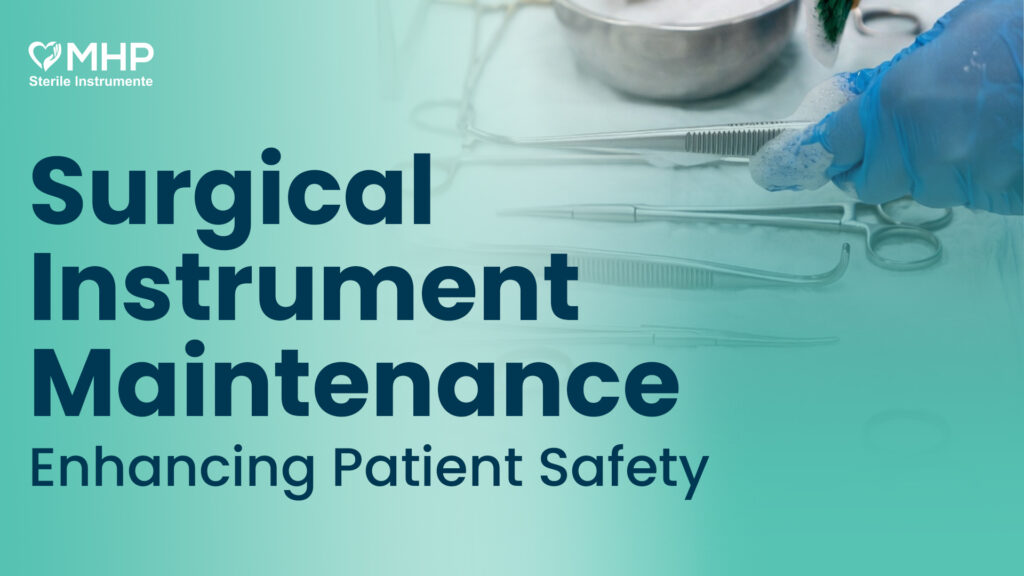
Using worn-out instruments is a safety risk because it increases operative time, causes unnecessary tissue trauma, and can even compromise sterility. Well-maintained instruments can reduce the risk of surgical complications. Instruments with rust, pitting, or other defects can compromise patient safety.
Benefits of Proper Maintenance
- A good instrument care protocol ensures instruments are maintained in good working order and prolongs their useful life.
- Proper maintenance and repair of surgical instruments are crucial to ensure longevity and optimal performance.
- The longevity of a hospital’s surgical instruments always comes down to a strict cleaning process and a philosophy that emphasizes maintaining instruments.
- Regular inspections allow for timely repairs or replacements, preventing further damage and ensuring longevity.
- Surgical instrument repair services help extend the lifespan of surgical instruments.
Understanding Instrument Needs
Knowledge of your surgical instruments, materials, and purpose presupposes a care, cleaning, and maintenance strategy. Surgical steel, stainless steel, chromium, and titanium all have different care protocols. The steel possessing these qualities contains less chromium and more carbon than that used in various surgical implants. Implants are made of steel, a material with the primary characteristic of corrosion resistance, but it is too soft for instruments.
Cleaning and Sterilization Techniques
Proper cleaning and sterilization techniques are essential to prolong instrument life and ensure patient safety, but even the best protocols cannot salvage tools that show clear deterioration; recognizing “5 signs your surgical instruments need replacement immediately”—such as persistent corrosion, pitting, compromised joint function, surface roughness that resists decontamination, and visible cracks or bending—helps facilities decide when to retire instruments rather than risk ineffective sterilization. Begin with immediate bedside cleaning to remove bioburden, use enzymatic detergents and ultrasonic cleaners for thorough soil removal, and follow manufacturer-approved sterilization cycles (autoclaving, low-temperature methods) while monitoring load indicators and recording cycle parameters. Regular inspections before and after sterilization, including magnified visual checks and functional testing of hinges and ratchets, will reveal the five warning signs early; instruments exhibiting any of these signs should be quarantined and replaced to prevent breaches in sterility and maintain surgical outcomes.
Proper Cleaning Procedures
If surgical supplies are not rinsed immediately after a procedure, the residue can cause staining. Manual cleaning of surgical instruments removes visible tissue, blood, and other contaminants. Use a soft-bristled brush under running water, focusing on crevices and hard-to-reach areas. Use chemistries approved for medical devices to avoid harm to instruments. Dilute the cleaning solution per the manufacturer’s instructions and replace it regularly to prevent cross-contamination. Ultrasonic cleaners use powerful sound waves to create cavitation, removing residual soils from intricate instruments. Ultrasonics can be particularly useful for cleaning hard-to-reach areas of a medical device, including fine serrations and box-lock joints. Always clean and sterilize instruments thoroughly after each use to prevent the buildup of contaminants and reduce the risk of corrosion.
Effective Sterilization Methods
- Steam or autoclave sterilization is the most common method of instrument sterilization.
- Instruments are placed in a surgical pack and exposed to steam under pressure to ensure thorough sterilization.
- A sterilization indicator is used to verify that instruments have been sterilized.
- Ethylene oxide gas is used to sterilize items that cannot withstand the high temperature and steam of an autoclave.
- Items sterilized with ethylene oxide must be aerated before use to allow the gas to dissipate.
- Glass bead sterilizers may be used to re-sterilize instruments during a surgical procedure, but are not acceptable as an initial method of sterilization.
Cleaning vs. Sterilization: Key Differences
Chemical disinfection is not the same as sterilization and is not acceptable as the primary method of instrument preparation for surgery. Sterilization kills all forms of life, including bacterial spores and viruses.
Instrument Care During Surgical Procedures
Proper care and maintenance of surgical instruments during and after a surgical procedure is essential to preserve the lifespan of surgical tools and reduce the risk of contamination that can harm patient safety and surgical outcomes; regular maintenance like thorough cleaning with detergent and ultrasonic cleaning in an ultrasonic cleaner, followed by sterilization in an autoclave, lubrication with instrument lubricant or instrument milk for hinged instruments and instruments with moving parts, and sharpening cutting instruments such as scissors and forceps, will extend the lifespan of surgical equipment and extend instrument life, but visible signs of damage — rust, corrosion, pits, wear and tear, sharp instruments becoming dull, or any physical damage — mean the instrument may be compromised and it’s time to replace them to avoid compromised sterility, increased risk of complications and poorer patient outcomes, so inspect instruments, store instruments properly in an instrument tray, perform regular maintenance of surgical instruments, and follow care of surgical instruments and proper cleaning and sterilization protocols to maintain surgical precision and patient care.
Pre-Surgery Instrument Inspection
Their pre-surgery checks and post-cleaning and sterilization routine of kits require uncompromising diligence. Visual checking and lubrication are needed.
- Always perform a visual inspection to ensure the cutting edges of scissors are free of damage.
- Check that the jaws of the artery forceps and needle-holders meet correctly, with no signs of twisting.
- Check that all thumbscrews on instruments, such as Gelpi retractors and stifle distractor joints, are tight.
- Check for fine cracks in instruments, for example, across the box joints in artery forceps, to avoid using damaged instruments.
Handling Surgical Instruments Safely
Be gentle when handling surgical instruments. Instruments used in rodent surgery are delicate and typically designed for a specific function, ensuring they are effective for their intended purpose. Incorrect use of instruments will damage them and make it difficult, if not impossible, to use them correctly. Using instruments that are too large will exaggerate hand motions and decrease surgical precision, resulting in poor technique and increased tissue trauma. Handle your instruments with care – abuse, such as dropping or scratching, will damage their surfaces and reduce their corrosion resistance, compromising their effectiveness and safety. Use them for their intended purpose! Artery forceps are not needle-holders or wire twisters, and bone cutters are not designed to cut wire; instruments should also be used according to their specific purposes.
Post-Procedure Maintenance
Leave all joints and ratchets open for lubrication and sterilisation, as this will allow steam and lubricant to reach all surfaces and prevent joint strain from autoclave heat expansion when the instrument is under tension. Sharpening or lubricating instruments that have any metal-to-metal contact before autoclaving is crucial for maintaining surgical instruments and extending their lifespan. Instruments must be gently cleaned after each use to ensure that all blood and tissue are removed. After each use, instruments should also be inspected for visible signs of damage or wear. Look for rust, pitting, or other indications of damaged instruments.
Maintenance of Surgical Instruments
Maintenance of surgical instruments is essential to ensure patient safety, prolong tool life, and maintain procedural efficiency; regular inspection, proper cleaning, lubrication, and storage prevent corrosion and mechanical failure, but even with diligent care there are situations when tools must be retired — in fact, knowing the 5 signs your surgical instruments need replacement immediately (persistent rust or pitting, misaligned or loose joints, chipped or blunt working surfaces, compromised insulation on electrical instruments, and recurrent sterilization damage or cracking) helps surgical teams act quickly to avoid compromised outcomes, reduce risk of infection, and uphold surgical standards by replacing compromised instruments as soon as any of these warning signs are identified.
Regular Lubrication Practices
Lubrication should not be forgotten – either an ‘instrument milk’ bath such as Eezee-lube or an instrument oil (Instol instrument lubricant spray, Aesculap Sterilit instrument oil and spray). Sharpening or lubricating instruments with any metal-to-metal contact before autoclaving is a crucial maintenance step to extend their service life. Leave all joints and ratchets open for lubrication and sterilisation, as this will allow steam and lubricant to reach all surfaces and prevent joint strain from autoclave heat expansion when the instrument is under tension.
Storage Solutions for Surgical Equipment
Store with care – if instruments are stored in damp conditions, they will corrode. Equipment that is not used regularly is better stored clean, dry, and lubricated, ready for sterilisation before use. Delicate instruments should be packed with protective tips and silicone storage box inserts, or placed in suitable racks, to prevent rattling. Always make sure heavy instruments are not stored on top of lighter equipment. Store instruments in a dry, clean environment to prevent rusting and damage. Store your instruments clean, dry, lubricated, and protected, and they will provide many years of service.
Signs of Wear and Tear: When to Replace
Visible damage is the most obvious sign that your veterinary instruments may need replacing. If instruments are not performing consistently, their effectiveness and safety may be compromised in ways that aren’t immediately obvious, indicating that instruments should also be regularly maintained. The jaws should meet evenly; if they overlap, or if the box lock (the hinge) feels loose and wobbly, the instrument can no longer securely clamp vessels or hold needles without twisting. Instruments with worn springs may also become difficult to operate, increasing the risk of accidental injury and compromising their effectiveness and safety. Here are the 5 major red flags: Visible Pitting and Corrosion, The Scissors “Push” Instead of Cut, Misaligned Jaws and Loose Box Locks, Stiff Joints That Won’t Loosen, and compromised TC inserts, which indicate damaged instruments. If you see small pits, rust spots, or dark stains that do not rub off, the stainless steel’s passivation layer has been compromised.
Learn more about our recent article on Surgical Instrument Quality Control: Stainless Steel for Manufacturers.
Extending the Lifespan of Your Surgical Instruments
Extending the lifespan of your surgical instruments requires regular care and vigilance, but it’s also important to recognize when maintenance is no longer enough — in fact, knowing the “5 signs your surgical instruments need replacement immediately” can prevent patient harm and costly complications; these signs include visible corrosion or pitting, dull or misaligned cutting edges that compromise function, looseness or play in hinges and box locks, persistent staining or biofilm that resists cleaning, and structural cracks or deformation that indicate metal fatigue, so combine routine cleaning, proper sterilization, timely lubrication, and careful storage with scheduled inspections and prompt replacement whenever any of these five signs appear to ensure safety, precision, and instrument longevity.
Best Practices for Longevity
If surgical supplies are not rinsed immediately after a procedure, the residue can cause staining. To further minimize the risk of corrosion and water spots, dry thoroughly. Avoid mixing different metals when processing instruments – keep chrome-plated, industrial-finish, and aluminum items separate from stainless steel, particularly in ultrasonic cleaners. Actions that encourage the formation of chromium oxide on instruments should also be implemented to minimise corrosion. Actions that either physically or chemically destroy this layer of chromium oxide encourage rusting or staining.
Training Staff on Instrument Care
Your CSSD staff are the quintessential guardians of maintaining surgical instruments. Healthcare providers will never underestimate the importance of properly caring for all surgical supplies and tools.
Evaluating the Effectiveness of Your Maintenance Program
Streamlining your in-house cleaning, sterilisation, and maintenance of surgical instruments will improve patient care and safety, reduce patient turnaround time, enhance surgeon satisfaction, and increase overall hospital profitability. Regular maintenance is a critical component of being compliant with CMS standards. Investing in new instruments when necessary is a cost-effective long-term decision.
For additional technical standards and global guidelines for medical devices, consult trusted sources such as the World Health Organization (WHO) and the European Commission’s Medical Devices Regulation (MDR). These organizations provide up-to-date information on safety, compliance, and innovation in healthcare.
You can also explore more educational resources and product insights directly on our website, through pages such as About Us, Our Products, and Contact Us, where we regularly publish updates and technical information on sterile and single-use instruments.