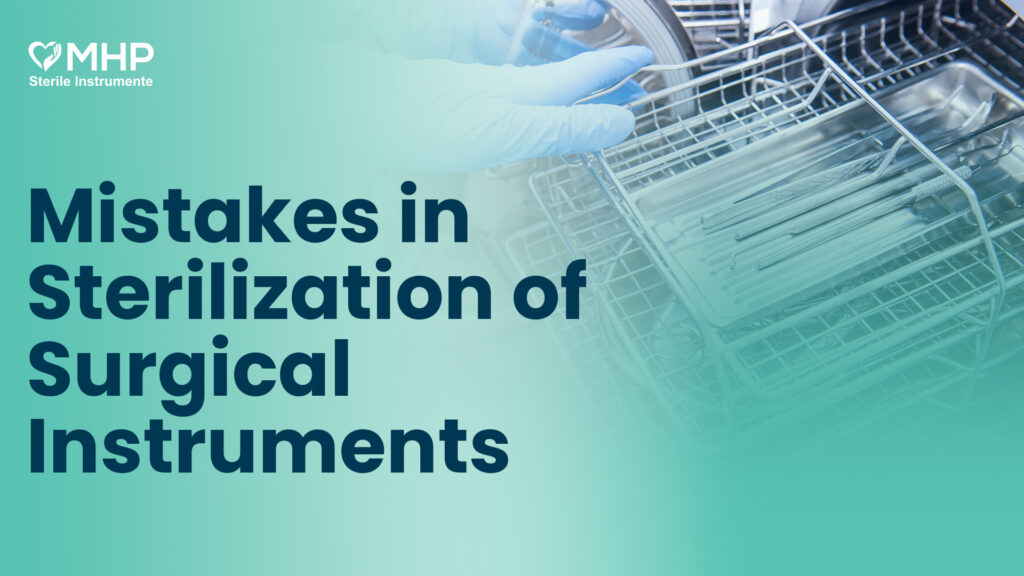
Common Mistakes in Sterilization of Surgical Instruments
Discover the most common sterilization mistakes that damage your instruments: improper loading that causes overload and instruments too tightly packed, failure to follow the manufacturer’s instructions for use and sterilization protocols, skipping biological and chemical indicators or spore testing, and using the wrong sterilization methods for different instruments such as hollow instruments or delicate surgical tools; these common errors in the sterilization process and ineffective sterilization by an autoclave or chemical sterilization can lead to contamination, uneven sterilization, incomplete or ineffective sterilization, and sterilization failures that compromise the sterility of instruments and increase the risk of surgical site infections. To ensure patient safety and compliance in healthcare facilities, instruments must be cleaned, handled, and placed in the sterilizer correctly, sterilization requires proper equipment maintenance, strict protocol adherence, use biological indicators to verify reliable sterilization, and immediate proper handling so surgical instruments remain sterile until use—best practice in sterilization of surgical instruments protects against microorganisms and spore survival while preventing damage to the surface of the instrument and preserving instrument type-specific integrity.
Understanding Sterilization of Surgical Instruments
Common sterilization mistakes that damage your instruments often start before the autoclave: inadequate cleaning that leaves biofilm and debris, use of corrosive detergents, improper packaging, and overloading, which prevents steam penetration and uniform sterilization cycles. Incorrect temperature or exposure time, residual moisture in hinged instruments, and failure to perform routine sterilizer maintenance accelerate instrument corrosion, pitting, and joint failure. To protect instrument longevity, follow validated cleaning protocols including ultrasonic cleaning, ensure proper drying and packaging, use compatible sterilization wraps and indicators, and monitor sterilizer performance with biological and chemical indicators to prevent contamination and instrument damage.
What is Sterilization?
Sterilization is the process of eliminating all forms of microbial life from instruments and surfaces to prevent infection, typically achieved through heat, chemical, or mechanical methods; understanding this process is essential because common sterilization mistakes that damage your instruments—such as using incorrect temperatures, prolonged exposure to harsh chemicals, improper loading of sterilizers, inadequate drying, and failure to follow manufacturer instructions—can both compromise patient safety and shorten instrument lifespan, so proper training, routine maintenance, correct packaging, and adherence to validated cycles are crucial to ensure effective sterilization without causing corrosion, pitting, loss of sharpness, or deformation of delicate tools.
Importance of Sterilization in Healthcare
Sterilizing instruments and medical equipment are necessary so hospitals, practices, and other healthcare facilities can safely care for their patients. Proper sterilization of surgical instruments ensures that doctors and nurses don’t allow patients to become infected during treatment.
Overview of Sterilization Methods
An overview of sterilization methods includes several widely used techniques—steam autoclaving, dry heat, ethylene oxide gas, hydrogen peroxide plasma, and liquid chemical sterilants—each with specific temperature, time, and material compatibility requirements. Steam autoclaves are the most common for heat- and moisture-stable surgical and dental instruments, while dry heat suits items that tolerate high temperatures but must avoid moisture; ethylene oxide and hydrogen peroxide plasma are low-temperature options for heat- or moisture-sensitive devices. Proper validation, loading practices, and cycle selection are essential because improper choice or misuse can accelerate corrosion, dulling, pitting, or other damage; in fact, many common sterilization mistakes that damage your instruments stem from using incompatible methods, overexposure to harsh chemicals, inadequate drying before sterilization, or incorrect packaging. Regular maintenance of sterilization equipment, routine biological and chemical monitoring, and adherence to manufacturer instructions help preserve instrument function and longevity. Understanding the pros, cons, and material limitations of each method allows clinicians and technicians to select the safest, most effective sterilization approach for their instrument inventory.
Common Mistakes in Sterilization of Surgical Instruments
Common sterilization errors often arise from mistakes in the sterilization process — for example, failing to remove bioburden can shield microorganisms and lead to incomplete sterilization, while incorrect loading or mismatching instrument type to a cycle can damage instruments and undermine sterilization efficacy; using the proper sterilization for the instruments and devices is crucial because instruments are made of different materials that require specific exposure times and temperatures, and mistakes made such as overpacking instruments in the sterilizer or not using chemical and biological indicators can produce unreliable sterilization results and compromise patient safety and ensure compliance, so surgical instrument sterilization protocols should call for immediate handling of instruments immediately after use, proper placement of instruments in the sterilizer, and routine verification to achieve complete sterilization and prevent common sterilization mistakes that damage your instruments.
Learn more about our recent article on Surgical Instrument Quality Control: Stainless Steel for Manufacturers.
Improper Handling of Instruments
Improper handling of sterilized instruments can defeat the purpose of sterilization, as contact with non-sterile surfaces can introduce bacteria. Cautious handling requires using sterile gloves and placing instruments in separate sterile trays to ensure they remain sterile. Ineffective sterilization of surgical instruments, in turn, is a significant risk factor for the development of nosocomial infections.
Overloading the Sterilizer
Overloading the sterilizer inhibits air and heat circulation, which is essential for sterilization. Sterilizers must not be overloaded since this will hinder air and heat circulation, which is essential for sterilization.
Failure to Follow Sterilization Protocols
Healthcare facilities make mistakes during sterilization, which hampers the quality of care provided. Not following such protocols may mean that several areas are not adequately sterilized, leaving notorious microorganisms intact. If these tests are not conducted, the instruments’ sterility is unknown, and patients may be at risk of infection. Sterilization protocols, however, are guidelines that healthcare professional organizations publish and regularly update.
Common Causes of Sterilization Failures
Common causes of sterilization failures often stem from human error, inadequate maintenance of sterilization equipment, and improper loading or wrapping techniques; these common sterilization mistakes that damage your instruments include overloading sterilizers so steam or heat cannot circulate, using incorrect temperature or cycle settings, failing to clean instruments thoroughly before sterilization, and neglecting regular inspection and maintenance of autoclaves and ultrasonic cleaners. Chemical residues, leftover organic matter, or corrosion from harsh detergents can prevent effective sterilization and physically deteriorate instrument surfaces, while improper packaging or delayed drying can lead to recontamination. Regular training, strict adherence to manufacturer protocols, routine biological monitoring, and careful handling and storage are essential to prevent these failures and extend the life and safety of your instruments.
Inadequate Cleaning of Instruments
The CDC highlights the importance of cleaning to remove debris and organic contamination from instruments before disinfection or sterilisation. Residual organic material on tools can hinder contact with sterilizers, compromising effectiveness and contamination potential. Any leftover blood, saliva, or tissue can act as a barrier, preventing sterilising agents from reaching all surfaces and undermining the process. Leftover residue may gradually harm the instruments. Thorough cleaning is the first step in effective sterilization of surgical instruments. Mistakes like using the wrong detergents can damage stainless steel instruments, while insufficient rinsing leaves residues that interfere with sterilisation. For steam sterilisation to work, the steam must directly contact every surface of the instruments. In February 2025, a dental clinic in Melbourne experienced repeated sterilisation failures due to outdated equipment and insufficient staff training. Unclean surgical instruments may result from not following standard cleaning procedures or choosing an incorrect cleaning method. Thorough pre-cleaning of instruments using techniques such as enzymatic detergents and ultrasonic baths prevents incomplete sterilisation caused by organic debris blocking steam penetration.
Use of Incorrect Sterilization Equipment
Using the wrong material, like paper pouches in a VHP steriliser, can fail to provide the necessary barrier properties, rendering the sterilisation ineffective. Different instruments require specific sterilization methods. Instruments should always be treated as though they are contaminated before final sterilization.
Neglecting Biological and Chemical Indicators
Biological monitoring uses spore tests to check whether the sterilisation process effectively eliminates highly resistant microorganisms. Monitoring sterilisation processes is a critical step in ensuring patient safety and adhering to compliance standards. Along with proper instrument sterilization, monitoring the sterilizer is essential to any in-office infection control program. These indicators change color to confirm that instruments have been exposed to the appropriate sterilization conditions. Skipping biological testing means the instruments’ sterility is unknown, and patients may be at risk of infection. Undetected failures and inability to verify sterilisation effectiveness can result if sterilisation monitoring and testing is missing.
Best Practices for Effective Sterilization
Best practices for effective sterilization begin with understanding and avoiding common sterilization mistakes that damage your instruments; thorough pre-cleaning to remove bioburden, proper inspection for defects, and selecting appropriate detergents and enzymatic cleaners are essential first steps. Use validated sterilization cycles and follow manufacturer-recommended temperatures, pressures, and exposure times to prevent corrosion, pitting, or loss of sharpness, and ensure instruments are appropriately packaged and arranged to allow adequate steam or vapor penetration rather than overcrowding trays. Drying and cooling protocols must be observed to prevent staining and microbial recolonization, while compatible sterilants and rinsing procedures should be used to avoid chemical damage. Regular maintenance and calibration of autoclaves, routine biological and chemical indicator checks, and proper storage—clean, dry, and protected—comprise a protocol that minimizes the risk of common sterilization mistakes that damage your instruments and extend their service life.
Establishing Reliable Sterilization Protocols
Thorough documentation is a cornerstone of maintaining high standards in infection control. Establishing strict pre-cleaning protocols can avoid residue blocking sterilization. Adhere to the manufacturer’s loading instructions, avoid overfilling, and ensure proper instrument spacing to prevent blocked steam circulation and cold spots. Regular competency checks ensure ongoing training and conduct regular skill evaluations for all sterilisation staff.
Utilizing Proper Sterilization Equipment
Automated options like ultrasonic cleaners and automated instrument washers are often preferred because they improve cleaning efficiency and reduce direct exposure to blood. Ensure proper spacing when sterilising instruments. Adequate spacing is crucial to ensure steam reaches all surfaces effectively.
Regular Training and Assessment of Staff
Poor staff training, human error, protocol breaches, and rising failure rates are issues. Provide ongoing training and conduct regular skill evaluations for all sterilization staff to avoid protocol breaches, reduce failure rates, and mitigate regulatory non-compliance. Staff training should be a priority to ensure everyone understands proper procedures. Common training gaps include a lack of understanding of appropriate autoclave loading techniques and failure to follow recommended sterilisation parameters. Staff should also be well-versed in operating sterilisation equipment, including packaging, loading, monitoring, and validating sterilisation cycles.
For further technical standards and global guidelines on medical instruments, you can explore trusted resources such as the World Health Organization (WHO) and the European Commission’s Medical Devices Regulation (MDR). These organizations provide up-to-date information on safety, compliance, and innovation in healthcare.
You can also explore more educational resources and product insights directly on our website, through pages such as About Us, Our Products, and Contact Us, where we regularly publish updates and technical information on sterile and single-use instruments.