Surgical Instrument Quality Control: Stainless Steel for Manufacturers
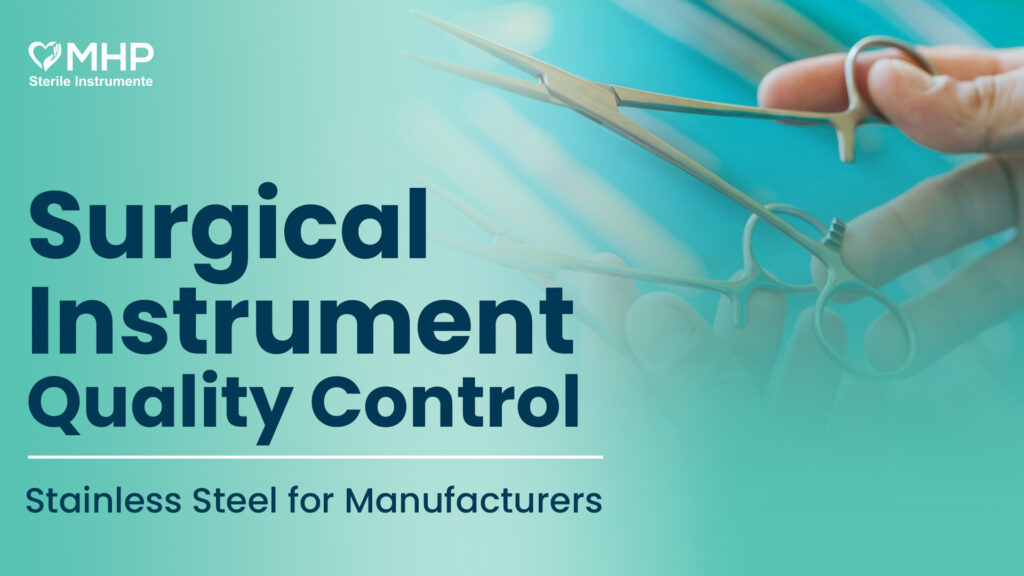
In the realm of surgical instrument manufacturing, adhering to stringent quality control measures is paramount, particularly in material selection, to ensure the instruments remain safe and effective. One of the most critical factors is the use of high-grade stainless steel, which not only ensures durability and longevity but also minimizes the risk of infection and enhances patient safety. German standards in surgical instrument manufacturing place a significant emphasis on these quality aspects, reinforcing the idea that quality matters more than ever in today’s healthcare landscape, particularly regarding instruments exposed to rigorous conditions. By prioritizing stainless steel and implementing strict quality control protocols, manufacturers can meet the demands of modern surgical practices and contribute to improved patient outcomes.
Introduction to Surgical Instruments
Surgical instruments are essential tools used in various medical procedures, playing a crucial role in ensuring successful outcomes. The precision and reliability of these instruments can significantly impact patient safety and the overall effectiveness of surgical interventions, particularly for surgeons in high-stakes environments. As the demand for high-quality surgical instruments rises, adhering to established standards, particularly German standards, becomes increasingly vital to ensure that every instrument leaving the production line meets the highest quality standards. These standards not only emphasize the importance of superior materials and craftsmanship but also ensure that instruments meet rigorous safety and performance criteria. In an era where patient care is paramount, the commitment to quality in surgical instrument manufacturing has never mattered more, as it directly correlates to improved surgical results and enhanced patient trust in healthcare systems.
Defining Surgical Instruments
The surgical instruments manufacturing process is a journey from raw materials to sterilized, life-saving devices, emphasizing modern manufacturing techniques that ensure every instrument leaving the facility meets high standards. The surgical instruments manufacturing process requires attention to detail as even the very smallest mistake may have serious consequences, underscoring the need for strict quality control.
The Role of Surgical Instrument Manufacturers
Germany’s surgical instrument manufacturers are globally recognized for their commitment to quality, cutting-edge technology, and adherence to stringent international standards like ISO 13485 and EU MDR.
Overview of Surgical Tools and Their Importance
In the fast-evolving world of healthcare, precision, durability, and trust are essential in a manufacturing facility that prioritizes quality. Surgical success begins long before the operation starts, starting with the tools in a surgeon’s hands, where a commitment to patient safety is paramount in a modern manufacturing facility. Surgical tools play a critical role in modern healthcare, serving as essential instruments that help healthcare professionals perform a wide range of procedures with precision and accuracy, reflecting a commitment to patient safety. The importance of these tools cannot be overstated, as they directly impact patient outcomes and the overall success of surgeries. High-quality surgical instruments that adhere to stringent standards are vital for ensuring safety and effectiveness in surgical interventions without compromising quality. As healthcare continues to evolve, understanding the significance of surgical tools and their quality becomes increasingly crucial for both practitioners and patients, emphasizing the need for reliable, durable instruments that meet rigorous manufacturing standards.
Surgical Instrument Quality Control in Manufacturing
Quality control in surgical instrument manufacturing is critical to ensuring the safety and efficacy of medical procedures. Adhering to stringent German standards, which are renowned for their rigor and precision, manufacturers are compelled to implement comprehensive quality management systems. This emphasis on quality is more important than ever, as the healthcare sector faces increasing scrutiny and expectations for safety and performance. By maintaining high standards in the production of surgical instruments, manufacturers not only comply with regulatory requirements but also foster trust among healthcare professionals and patients alike, ultimately contributing to better surgical outcomes and enhanced patient care.
Importance of Quality Control in Surgical Instruments
Quality control of surgical instruments and medical devices is a crucial phase in manufacturing, ensuring quality without compromising it. The main reason for the small scale of surgical instrument manufacturing is the sheer demand for quality, which is essential for healthcare providers. In intense surgical operations where lives are at stake, the reliability and precision of the tools, including scalpels and retractors, are often key drivers for the success or failure of the operation.
Standards and Regulations for Quality Control
German manufacturers adhere to some of the world’s strictest quality protocols in their manufacturing facilities, ensuring that their instruments remain at the forefront of safety and effectiveness. Certifications such as ISO 13485 and compliance with the EU Medical Device Regulation (MDR) ensure that surgery instruments meet global safety standards. One of the most critical regulations is the Medical Device Regulation (MDR), established by the European Union, ensuring traceability in the production of every instrument in the surgical instrument manufacturing industry. The MDR came into full effect in May 2021, mandating compliance for all medical device manufacturers targeting the EU market, which underscores the importance of quality control in the manufacturing of surgical instruments. Surgical instruments, as Class I and Class II devices, fall under the scope of the MDR, and manufacturers must adhere to MDR standards for quality management, labeling, and reporting in their manufacturing facilities.
Best Practices for Ensuring Quality
Every surgical instrument undergoes multiple inspections—from raw material selection to final polishing—to eliminate defects, ensuring it remains reliable and safe for use. The company, MHP Sterile Instrument, undergoes regular audits by SGS, a globally recognized notified body. MHP Sterile Instrument prepares detailed technical documentation for each surgical instrument it manufactures, ensuring compliance with all MDR requirements.
Stainless Steel in Surgical Instrument Production
Stainless steel plays a crucial role in surgical instrument production due to its superior properties, which are essential for ensuring both the durability and safety of surgical tools in any manufacturing facility. This material is highly resistant to corrosion, making it ideal for instruments used in manufacturing facilities that must withstand repeated sterilization without compromising quality. Additionally, stainless steel offers excellent strength and structural integrity, allowing specialized tools to maintain their shape and functionality even under demanding conditions, which is crucial for ensuring the highest standards of quality in surgical instruments. The precise manufacturing standards set by German industry further enhance the quality of surgical instruments, ensuring they meet stringent performance and reliability requirements. As healthcare continues to evolve, the importance of high-quality stainless steel surgical instruments becomes more pronounced, as they directly impact patient outcomes and the overall efficacy of surgical procedures.
Why Stainless Steel is Preferred
Stainless steel surgical instruments provide unmatched corrosion resistance, strength, and hygiene, making them indispensable in every operating room. There’s a reason stainless steel remains the top choice for surgical instrument manufacturing: Corrosion resistance, high strength-to-weight ratio, Sterilization compatibility, and Longevity. At MHP Sterile Instrument, their surgical scissors are manufactured from the highest-grade stainless steel, ensuring reliability and durability in every medical environment.
Raw Steel Selection for Surgical Instruments
Manufacturers are accustomed to using high-grade stainless steel, mainly imported from Japan, Germany, Pakistan, or other reliable suppliers, to ensure the hardness and sharpness of their instruments. An elegant choice of raw materials is vital, as it is the most influential factor in determining the life and safety of the end product, especially for tools such as scalpels and forceps produced in a manufacturing facility.
Properties of High-Quality Stainless Steel
Surgical-grade stainless steel (e.g., 316L) ensures longevity and corrosion resistance. High-performance alloys, such as titanium and stainless steel hybrids, are now engineered to enhance durability, reduce weight, and resist corrosion, making them ideal for specialized tools used by healthcare providers.
The Manufacturing Process of Surgical Instruments
The manufacturing process for surgical instruments requires a meticulous approach to ensure that every tool meets stringent quality standards, particularly those set by German standards for surgical instrument manufacturing. These standards emphasize precision, durability, and safety, which are essential in medical environments where patient outcomes depend significantly on the reliability of instruments. As the demand for high-quality surgical tools increases, adhering to these standards has become more critical than ever for healthcare providers. Manufacturers must implement advanced technologies and rigorous testing protocols throughout the production process to guarantee that each instrument not only performs effectively but also withstands the stringent conditions of surgical procedures. By prioritizing quality in the manufacturing of surgical instruments, we can improve surgical outcomes and ensure the safety and well-being of patients worldwide, as high-quality instruments remain essential in every procedure.
Steps in Manufacturing Surgical Instruments
The manufacturing of surgical instruments begins once these raw materials are obtained through the forging process, ensuring that the final products meet high standards of sharpness and durability. After the forging process, a network of technical operations, including machining and CNC work, is established to shape the instruments into their desired forms without compromising quality, followed by rigorous inspection. Additionally, during machining in a manufacturing facility, every instrument undergoes heat treatment to toughen it without compromising quality.
Precision in Surgical Instrument Manufacturing
Germany has long been synonymous with precision engineering, and its manufacturers of surgical instruments are no exception, adhering to strict quality control in the manufacturing process. Germany’s reputation for engineering excellence is deeply rooted in its history, and its surgical instrument manufacturers are no exception. The country’s surgical instrument manufacturers are globally recognized for their commitment to quality, cutting-edge technology, and adherence to stringent international standards, setting a benchmark for others.
Challenges in Manufacturing Surgical Instruments
Challenges in the surgical instrument manufacturing industry are multifaceted and can significantly affect the quality and safety of medical procedures, making it crucial that instruments meet the highest standards. As the demand for precision and reliability in surgical instruments increases, manufacturers face obstacles, including maintaining stringent quality control measures, adhering to complex regulatory requirements, and integrating advanced technologies into their production processes. Additionally, the need to comply with German standards in surgical instrument manufacturing has become paramount, as these standards emphasize not only technical specifications but also manufacturers’ ethical responsibilities to ensure patient safety. In this context, the importance of quality cannot be overstated; it directly affects instrument failure and, consequently, patient health, making strict quality control essential. As healthcare continues to evolve, the focus on producing high-quality surgical instruments that meet or exceed established standards is more crucial than ever, making it necessary for manufacturers to overcome these challenges effectively.
Evaluating the Best Surgical Instruments
Evaluating the best surgical instruments involves a meticulous assessment of various factors that contribute to their effectiveness, reliability, and overall performance in the operating room. With the increasing complexity of surgical procedures and the heightened expectations for patient safety, it is essential to consider not only the design and functionality of these instruments but also the stringent German standards in surgical instrument manufacturing. These standards ensure that the instruments are crafted with precision, durability, and the highest quality materials in a manufacturing facility, which is crucial for maintaining optimal surgical outcomes. As the healthcare landscape evolves, the emphasis on quality matters more than ever, as it directly impacts the success of surgical interventions and the well-being of patients, ensuring that instruments remain effective.
Criteria for Choosing the Top Surgical Instruments
When selecting a surgical instrument manufacturer, consider certifications, material quality, customization options, and sustainability practices, as these factors contribute to the highest standards of quality.
- Firstly, the materials used in manufacturing surgical instruments, such as forceps and scalpels, play a crucial role in their durability and effectiveness, particularly in terms of corrosion resistance.
- Instruments made from high-grade stainless steel, for example, offer superior corrosion resistance and longevity, essential attributes in a manufacturing facility.
- Additionally, precision in craftsmanship is vital; instruments must be finely tuned to deliver accurate, reliable results during surgical procedures, especially in a manufacturing facility.
- Another important factor is compliance with German standards in surgical instrument manufacturing, which underscores the need for stringent quality controls, safety measures, and benchmarking against global standards.
This adherence to established guidelines not only ensures the instruments’ performance but also enhances patient safety. Ultimately, it is crucial to assess the manufacturer’s reputation and commitment to ongoing improvement and innovation in the field, ensuring that the instruments meet the ever-evolving demands of modern medicine.
Comparing Surgical Instruments for Quality
Surgical instruments are categorized into different quality grades based on several factors, including the choice of materials, craftsmanship, and quality control standards, so that only the best instruments remain in circulation. Premium surgical instruments are considered the gold standard in the medical field, reflecting a commitment to patient safety and strict quality control in their manufacturing. Premium instruments are primarily made from high-quality 400-series German stainless steel, renowned for its exceptional durability, corrosion resistance, and superior overall performance in the surgical instrument manufacturing industry. Economy surgical instruments are made from 400-series stainless steel sourced from various suppliers, which may not always meet the highest standards as the higher-quality options.
Industry Trends in Surgical Instrument Quality
The German surgical instrument sector is evolving with advancements like innovative instruments embedded with IoT sensors for real-time data collection, robotic-assisted systems for minimally invasive surgery, and additive manufacturing (3D printing) for custom tools. Leading German manufacturers invest heavily in R&D to stay ahead of global trends.
For further technical standards and global guidelines on medical instruments, you can explore trusted resources such as the World Health Organization (WHO) and the European Commission’s Medical Devices Regulation (MDR). These organizations provide up-to-date information on safety, compliance, and innovation in healthcare.
You can also explore more educational resources and product insights directly on our website, through pages such as About Us, Our Products, and Contact Us, where we regularly publish updates and technical information on sterile and single-use instruments.