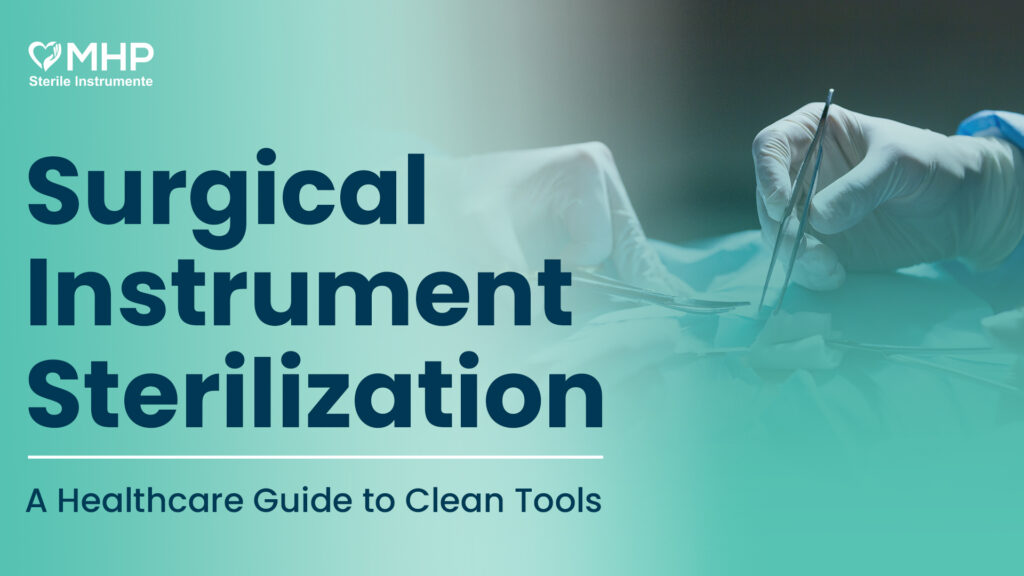
Surgical Instrument Sterilization: Healthcare Guide to Clean Tools
Ensuring that surgical instruments are truly sterile is crucial for infection control in healthcare facilities. The sterilization process involves multiple methods, including steam sterilization, gas plasma sterilization, and liquid chemical sterilization, each designed to protect the instruments from pathogens and microorganisms. Proper cleaning of devices and instruments, such as manual cleaning and ultrasonic cleaning, is essential before sterilization procedures to achieve high-level disinfection. Clinics and hospitals must follow stringent sterilization guidelines to protect patients and staff from the risk of infection, especially during invasive medical procedures. Additionally, the sterilization cycle must be monitored to ensure the sterilization method employed is effective, whether it involves high temperatures or cold sterilization techniques. By adhering to these practices, healthcare professionals can maintain the sterility of surgical instruments and medical devices, ultimately safeguarding the surgical site and improving patient outcomes.
Sterilization in Healthcare
Sterilization in healthcare is vital for ensuring the safety of both patients and healthcare workers. Proper sterilization practices are essential for surgical instruments or medical devices, as they help eliminate pathogens that can lead to infections. The sterilization process involves various methods, including steam sterilization, gas plasma sterilization, and chemical sterilization, each of which is suited for different types of surgical devices. For instance, heat-sensitive instruments may require methods such as ethylene oxide or hydrogen peroxide gas plasma, whereas stainless steel instruments can often withstand high temperatures.
Additionally, high-level disinfection and sterilization of dental instruments are crucial to protect against the risk of infection. Following established sterilization guidelines and utilizing proper cleaning methods, such as manual cleaning and ultrasonic cleaning, is imperative for maintaining a sterile environment in healthcare facilities. Ultimately, the importance of cleaning and disinfecting instruments cannot be overstated, as it directly contributes to effective infection control in healthcare settings, including hospitals and clinics.
Importance of Surgical Instrument Sterilization
Ensuring the surgical instrument sterilization is of the utmost importance. It protects patients from the spread of infections. It ensures that these tools are safe to use and reuse. Surgical instruments come into contact with patients and are exposed to a wide range of bacteria, viruses, and other pathogens. If surgical instruments are not properly sterilized, these instruments can pose a significant risk of infection to both patients and healthcare workers. Proper sterilization of surgical instruments is essential to prevent such risks. Sterilizing equipment is a crucial element of modern medical care. Patients frequently come into contact with surgical tools, syringes, and bandages during treatment. To ensure the safety of patients, medical practitioners, and the environment, it is essential to use a surgical tool sterilizer. With thorough and effective cleaning, you can prevent the spread of disease from patient to patient. Disinfection of surgical instruments is a crucial phase in preventing the transmission of bacteria and other pathogens from one patient to another. If you don’t clean these tools properly, residual organic material can be transferred to both patients and healthcare workers who use them, posing serious health risks to both.
Guidelines for Healthcare Facilities
Hospitals are required to comply with various regulations and guidelines for surgical instrument sterilization. Some of the most relevant rules for sterilization are the OSHA Bloodborne Pathogens Standard and the Centers for Disease Control and Prevention (CDC) Guidelines for Environmental Infection Control in Healthcare Facilities. The OSHA Bloodborne Pathogens Standard requires employers to implement a comprehensive exposure control plan that includes procedures for cleaning, disinfecting, and sterilizing instruments. The CDC Guidelines for Environmental Infection Control in Healthcare Facilities provide detailed recommendations for infection control in healthcare facilities, including guidelines for sterilization and disinfection. Celitron recommends consulting the manufacturer’s instructions for use for the specific instruments you will be sterilizing, as well as consulting with infection control experts to determine the best method for your facility.
Role of Sterilizers in Clinics
A surgical tool sterilizer is a device that helps to disinfect the surgical tools that you will use in a medical center or healthcare institute. Steam sterilizers, also known as autoclaves, are commonly found in most healthcare facilities’ departments. Vertical autoclaves are suitable for laboratory use or in smaller clinics with cramped spaces. The capacity of small or benchtop steam sterilizers ranges from 25 liters and is ideal for smaller facilities with limited available space. These are also suitable for facilities that do not require sterilizing as many medical tools each day.
Methods of Sterilization
Understanding what makes a surgical instrument truly sterile is crucial for ensuring patient safety in healthcare facilities. The sterilization process involves various methods, including steam sterilization and gas plasma sterilization, designed to eliminate pathogens and microorganisms that pose a risk of infection. Proper cleaning of surgical tools is the first step in the sterilization process, often involving manual cleaning, ultrasonic cleaning, or the use of cleaning solutions to disinfect instruments. Once cleaned, the instruments can be sterilized using an autoclave or through chemical sterilization methods such as ethylene oxide and hydrogen peroxide. Adhering to sterilization guidelines is essential in hospitals and clinics to protect patients and healthcare workers. Wrapped surgical instruments must be handled with care, and personal protective equipment must be used during procedures for cleaning and disinfection. By following proper sterilization practices, healthcare facilities can maintain high standards of infection control and ensure the sterility of medical equipment and devices.
Steam Sterilization Techniques
Steam sterilization is widely regarded as the most effective method for sterilizing surgical instruments in hospitals. It is accomplished with on-site machines known as steam sterilizers, also known as autoclaves. It uses high-pressure, high-temperature steam (typically 121 to 134 degrees Celsius) to eliminate bacteria, viruses, and other pathogens. It is a highly reliable method for sterilizing a wide range of instruments, including heat-sensitive ones. It’s also considered safe, especially with the additional safety measures incorporated into modern autoclaves. Steam sterilization is an effective method of sterilizing surgical instruments in hospitals. It has several benefits, including high effectiveness against heat-resistant bacteria, viruses, and other pathogens. Steam sterilization can be used to sterilize a wide range of medical instruments, especially when using class B models like Celitron’s Azteca, a large steam sterilizer. Class B models are also known as “pre-vacuum” autoclaves and represent the most advanced category of steam sterilizers available on the market. In most healthcare facilities’ departments, steam sterilizers or autoclaves are typically present. Steam can help clean many standard medical devices and is often the safest and most cost-effective option. The autoclaves apply intense pressure and heat.
Autoclave Operation and Maintenance
Horizontal Autoclaves are front-loading steam sterilizers with a large-capacity chamber, ideal when available space is not an issue. These are exceptional for reducing the strain on your medical staff. Gravity Displacement Autoclaves rely on dense steam to force air out of the machine’s chamber. Pre-vacuum or Prevac Autoclaves utilize a vacuum pump to remove all air from the autoclave chamber. A class of steam sterilizers indicates its versatility, showing the types of loads it can treat. Class N Autoclaves are simple, gravity-displacement autoclaves that remove only a portion of the air from the machine’s chamber. Class S Autoclaves are another type of gravity displacement autoclaves that use a wall of dense steam. Class B Autoclaves are premium pre-vacuum autoclaves that can help sterilize most materials and are also much faster, as they remove all air from the chamber with a powerful vacuum pump. The capacity of large steam sterilizers typically ranges from 110 to 880 liters. The capacity of medium-sized steam sterilizers ranges between 75 and 200 liters.
Other Sterilization Methods
Chemical sterilization uses chemicals such as hydrogen peroxide, chlorine dioxide, and glutaraldehyde to kill bacteria, viruses, and other pathogens. Gas sterilization utilizes gases, such as ethylene oxide, to eliminate foreign materials from surgical instruments. Dry heat sterilization also uses high temperatures, but typically requires more energy than steam sterilization. With the help of prepared liquid chemical solutions involved in chemical sterilization, you can effectively sterilize medical equipment. Ozone, ethylene oxide, hydrogen peroxide, and bleach are some of the chemicals commonly used in chemical sterilization. Plasma gas sterilizers utilize low-temperature hydrogen peroxide-based gas plasma within a chamber to eliminate microorganisms. Adding vaporized hydrogen peroxide helps sterilize the enclosed equipment. Once the vapor is removed from the chamber, it produces a plasma for low-temperature sterilization. VHP sterilization helps to remove humidity from within an enclosure, and a generator rapidly injects VHP to reach an ideal concentration for sterilizing equipment. VHP sterilization effectively removes microorganisms using vaporized hydrogen peroxide. Dry heat is a strong, yet slow technique that requires high temperatures and cycle times, using air at around 340 degrees F to kill microbial life.
Learn more about Surgical Instrument Quality Control: Stainless Steel for Manufacturers.
Disinfection of Surgical Instruments
Proper sterilization of surgical instruments is crucial for infection control in healthcare facilities, ensuring the safety of both patients and healthcare workers. The sterilization process encompasses various methods, including steam sterilization, gas plasma sterilization, and chemical sterilization, each designed to eliminate pathogens and microorganisms effectively. Autoclaves are commonly used for steam sterilization, where high temperatures and pressure ensure thorough decontamination of medical devices. For heat-sensitive surgical instruments, liquid chemical sterilization or hydrogen peroxide gas plasma may be employed. Adhering to sterilization guidelines and procedures, such as manual cleaning and high-level disinfection, is crucial to maintaining sterility and protecting instruments from contamination, thereby reducing the risk of infection during invasive medical procedures. Clinics and hospitals must implement comprehensive cleaning methods and maintain a rigorous sterilization cycle to ensure that all surgical tools and medical equipment are safe for reuse.
Steps for Effective Disinfection
Once the surgery or any other invasive medical procedure is complete, you should immediately rinse or wipe the scissors, pliers, needle holders, and all other instruments to prevent blood, tissue, or other contaminants from drying and hardening on their surfaces. That can be done with plain running water. Next, place the tools in an enzymatic solution or an approved detergent solution for pre-soaking. This softens and breaks down any leftover organic matter, making the following steps easier. Start scrubbing all surfaces of the instruments, including hinges and crevices, with a soft-bristled brush. Ensure you always clean below the waterline to reduce aerosol spread and eliminate air transmission of debris and any organic matter. Clean the surgical instruments by placing them under a running tap of filtered or distilled water. Check for any remaining debris, rust, or stains. If you notice any damaged instruments during this inspection, ensure they are removed for either repair or disposal. Suppose instruments have complex designs or tight hinges. In that case, the Surgical Instrument Cleaning Protocol recommends the use of ultrasonic cleaners, as they utilise sound waves and can clean all hidden or difficult-to-reach spots that the human hand can’t reach. Dry instruments completely using lint-free cloths or air-drying, and ensure that no moisture remains on their surface. Moisture promotes corrosion and interferes with sterilization, making it less effective.
Choosing the Right Disinfectants
Use EPA-registered hospital disinfectants or high-level disinfectants for critical and semi-critical instruments. Track down and log all the disinfection cycles to ensure compliance with regulatory requirements.
Common Mistakes in Disinfection
Without proper cleaning, the sterilization process would be incomplete and ultimately ineffective. Cleaning surgical instruments removes organic and inorganic material that can interfere with disinfection or sterilization. Avoid using the same containers for cleaning and disinfection to prevent cross-contamination.
Decontamination Procedures
In healthcare facilities, effective decontamination procedures are crucial to ensuring surgical instruments are properly sterilized to protect both patients and staff from infection. The sterilization process often involves various disinfection methods, including steam sterilization and gas plasma sterilization, which are essential for medical devices and instruments that may come into contact with pathogens. Autoclaves are commonly used in hospitals for high-temperature sterilization cycles, while heat-sensitive instruments may require alternative sterilization methods such as ethylene oxide or hydrogen peroxide. Following sterilization guidelines and implementing cleaning solutions during manual cleaning and ultrasonic cleaning are vital steps to achieve sterile surgical tools. Adhering to these sterilization practices not only promotes infection control in healthcare but also ensures that instruments are safe for reuse in invasive medical procedures.
Decontamination Process Overview
Proper cleaning of surgical instruments is of utmost importance in all healthcare and clinical settings. It is what ensures and guarantees the decontamination process, which in turn prevents the transmission of infections and ensures the safety of all instruments for future use.
Preventing Cross-Contamination
When medical equipment is not properly disinfected or sterilized, it can increase the risk of infection by breaching host barriers. One such example is fighting off healthcare-associated infections (HAIs), i.e., infections that hospital patients can contract during their stay. Surgical instruments, contaminated equipment, or improper staff hygiene can also lead to HAIs.
Training Staff on Decontamination
In health care facilities, ensuring that surgical instruments are properly sterilized is crucial for patient safety. Training staff on decontamination processes is essential for maintaining high standards of sterilization in hospitals. By equipping personnel with the knowledge and skills to effectively sterilize the instruments, clinics and hospitals can minimize the risk of infection and enhance the overall quality of care provided to patients.
Ensuring Clean Surgical Instruments
In health care facilities, the process of sterilization in hospitals is critical to maintaining patient safety and preventing infections. To sterilize instruments effectively, clinics and hospitals must implement stringent protocols that ensure all surgical tools are free of harmful microorganisms. This comprehensive guide outlines the best practices and techniques to achieve true sterility, ensuring that each instrument used during procedures meets the highest standards of cleanliness and safety.
Inspection and Maintenance of Instruments
If you notice any damaged instruments during inspection, please ensure they are removed for repair or disposal. Proper inspection and maintenance of surgical instruments is crucial in ensuring their sterility and functionality, especially in healthcare facilities. The sterilization process must follow stringent guidelines to effectively eliminate pathogens and microorganisms that pose a risk of infection to patients and staff. Surgical tools can be sterilized using various methods, including steam sterilization in an autoclave, gas plasma sterilization, and chemical sterilization with hydrogen peroxide or ethylene oxide. Before sterilization, manual cleaning and high-level disinfection of the instrument surfaces are essential to remove any debris and contaminants. Healthcare providers must adhere to established sterilization procedures, including ultrasonic cleaning and liquid chemical sterilization, to protect instruments and maintain their integrity. By implementing thorough sterilization and disinfection practices, clinics and hospitals can ensure the safe reuse of medical instruments and devices, ultimately enhancing infection control in healthcare settings.
Storage of Sterilized Tools
The next step in the Surgical Instrument Cleaning Protocol is to place the instruments in Sterilization trays. You should leave the hinged items open and protect the sharp ones during this stage. Could you organize them in the Sterilization trays designed for surgical instruments?
Monitoring Sterilization Efficacy
Ensuring the sterility of surgical instruments is crucial for infection control in healthcare facilities. The sterilization process involves various methods, including steam sterilization and gas plasma sterilization, designed to eliminate pathogens and other microorganisms that pose a risk of infection to patients and staff. Proper cleaning and disinfection of medical equipment, such as surgical tools and dental instruments, are crucial steps before sterilization. Techniques like manual cleaning, ultrasonic cleaning, and the use of cleaning solutions help prepare these devices for effective sterilization. Adhering to sterilization guidelines, including the use of autoclaves or chemical sterilization methods such as hydrogen peroxide or ethylene oxide, ensures that instruments are properly sterilized. High-level disinfection and sterilization practices are critical in clinics and hospitals to protect patients during invasive medical procedures and to maintain a sterile environment.
For further technical standards and global guidelines on medical instruments, you can explore trusted resources such as the World Health Organization (WHO) and the European Commission’s Medical Devices Regulation (MDR). These organizations provide up-to-date information on safety, compliance, and innovation in healthcare.
You can also explore more educational resources and product insights directly on our website, through pages such as About Us, Our Products, and Contact Us, where we regularly publish updates and technical information on sterile and single-use instruments.