Ophthalmic Microsurgical Instruments for Ophthalmology
For buyers seeking microsurgical instruments for ophthalmic procedures a buyer’s overview, understanding the full range of eye instruments is essential: from delicate micro needle holders and lens holding forceps used in modern cataract and capsular management to ophthalmic scissors and Desmarres retractors for eyelid and chalazion work, each medical device in a surgical set or surgical kit contributes to improved patient outcomes; ophthalmic instruments for ophthalmologists also include probes and lacrimal instruments for tear-duct probing, stainless steel instruments and specialized retractor designs for retina and intraocular access, and complete surgery tools and surgical equipment bundles that streamline eye procedures and elevate overall eye care.
Introduction to Ophthalmic Surgery
Ophthalmic surgery emphasizes that ophthalmology relies on a range of specialized surgical and microsurgical instruments—essential tools and eye surgery instruments—designed for delicate eye procedures from cataract and corneal work to retinal and glaucoma surgery; surgeons assemble a surgical set or surgical kits containing ophthalmic surgical instruments such as forceps (colibri forceps, lens holding forceps), ophthalmic scissors (corneal scissors, vannas), needle holder and micro needle holders, speculum, retractor, cannula and probe, as well as capsulorhexis forceps and instruments for phacoemulsification and cataract surgery including IOL handling and capsular fixation. These ophthalmic instruments for ophthalmologists are often made of high-grade stainless steel or titanium and steel to balance durability with weight, and sterility through strict sterilization protocols preserves patient safety in the surgical field; selecting the right medical device—from Barraquer eyelid speculums to Desmarres retractors, chalazion sets, lacrimal instruments, iris spatula and retinal vitrectomy tools—affects surgical outcomes, patient outcomes and the success of modern cataract extraction, LASIK, trabeculectomy or vitrectomy, illustrating the importance of quality, choosing the right microsurgical tools and understanding that ophthalmic surgery demands instruments that are specialized for intraocular, cornea, sclera and retina work to optimize performance and minimize complications.
Overview of Eye Surgeries
Ophthalmology is a delicate branch of surgery involving precise operations on sensitive organs like the eye. Surgeons rely on surgical ophthalmology instruments for successful procedures such as cataract extraction, corneal grafting, vitrectomy, glaucoma filtration surgery, or LASIK. The eye is highly vascular and extremely delicate. Even a slight error can lead to corneal haze, retinal perforation, endothelial damage, or complete vision loss.
The Role of Microsurgical Instruments
Ophthalmic microsurgical instruments are specialized tools designed for use under a microscope during eye surgeries. These finely engineered devices are the backbone of various delicate procedures ranging from cataract removal to retinal repairs, ensuring minimal trauma and faster recovery. Compared with general surgical tools, these instruments are smaller, more delicate, designed for ultra-precise handling, and manufactured with high-grade stainless steel or titanium. They are engineered for non-reflective finishes to avoid surgical glare and balanced for fingertip control under a microscope. These instruments enable surgeons to work within the limited anatomical space of the eye with superior finesse.
Advancements in Medical Technology
Modern advancements in CNC machining, laser welding, and nano-coating have revolutionized how ophthalmic microsurgical tools are made. Innovations include color-coded handles for better identification and anti-reflective nano-coatings. Non-stick coatings for improved fluid repellency and custom-designed instruments based on surgeon feedback have enhanced both surgical outcomes and user satisfaction. AI and robotics are now beginning to influence this domain, pushing instrument manufacturers to develop tools compatible with robotic-assisted surgery systems. Modern ophthalmology is continuously evolving, with new innovations including laser-compatible instruments, titanium micro-tip forceps, non-reflective matte finishing, ergonomic spring-handled needle holders, and disposable microkeratomes. Anodized titanium is used for anti-glare performance. These innovations help surgeons achieve less intraocular trauma, higher surgical accuracy, reduced operating time, and faster patient recovery.
Types of Ophthalmic Surgical Instruments
Understanding the types of ophthalmic surgical instruments is vital for buyers seeking micro surgical instruments for ophthalmic procedures: a buyer’s overview, as these essential tools range from delicate forceps and micro-scissors to specialized viscoelastic injectors and phacoemulsification tips; selecting the right eye surgery instruments—such as keratomes, cystotomes, and retinal pick variants—ensures precision, safety, and compatibility with microsurgical techniques, while considerations like material, ergonomics, and sterilization requirements guide purchasers toward instruments that will perform reliably in cataract, corneal, and vitreoretinal procedures.
Common Ophthalmology Instruments
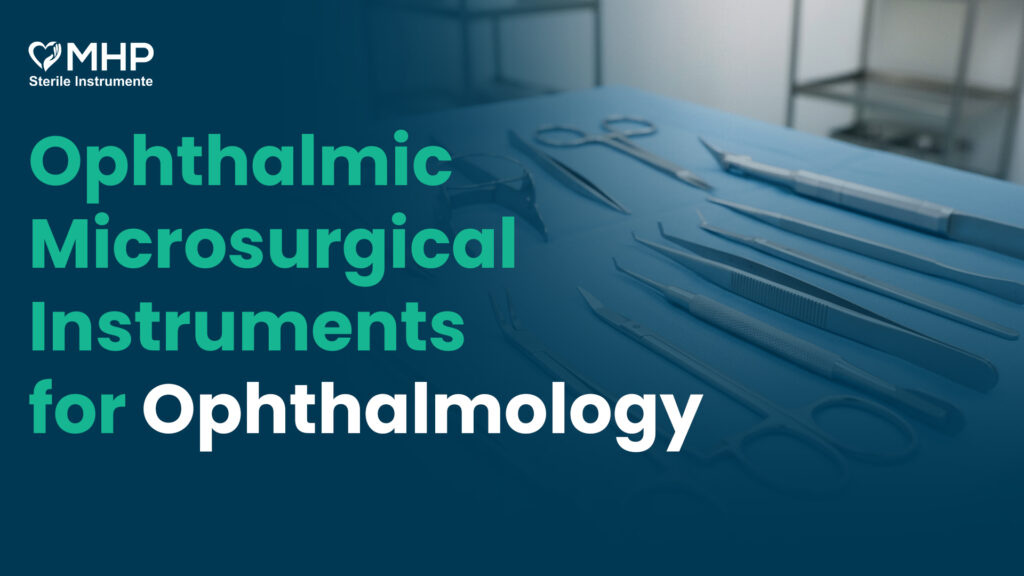
Ophthalmology residents should familiarize themselves with a variety of essential microsurgical tools. Essential microsurgical instruments include microsurgical scissors, forceps, needle holders, and ophthalmic speculums. Microsurgical scissors are fundamental for tasks such as cutting sutures or tissue, and they come in various shapes. Forceps are critical for grasping and manipulating delicate tissues; toothed forceps are ideal for grasping tough tissues, while non-toothed forceps allow for gentle manipulation of delicate tissues. A quality needle holder is vital for suturing, offering a secure grip and preventing needle slippage. An ophthalmic speculum offers the stability required for maintaining an open surgical field, which is indispensable for visibility and access to the eye. Other common instruments include ophthalmic knives, corneal scissors, Castroviejo keratome, Colibri forceps, Bonn forceps, and Barraquer wire speculum. Irrigation cannulas, anterior chamber cannulas, and lacrimal dilators are also used.
Specialized Microsurgical Instruments
Specialized microsurgical instruments include micro-needle holders to manipulate fine sutures during eye surgeries. Micro forceps include micro-toothed forceps for fine manipulation, corneal scleral forceps for retracting sclera and cornea, capsulorhexis forceps to hold tissues during cataract surgeries, and tying forceps to keep tissues in place. Micro scissors include micro-corneal, Vannas, and cataract scissors for cutting fine eye tissues. Micro hooks and spatulas, such as the iris spatula and IOL fixation hook, are used to operate on the iris and position intraocular lenses. Other instruments for microsurgery include microblade holders, lens manipulators, and posterior capsule polishers. Specific instruments for cataract surgery include capsulorhexis forceps, phaco choppers, nucleus manipulators, and lens insertion forceps. Vitreoretinal surgery instruments are ultra-delicate and long, designed to reach the posterior segment of the eye, including backflush cannulas, end-grasping forceps, and illuminated picks. Glaucoma surgery instruments like trabeculectomy punches, goniotomy knives, and micro hooks are designed for precise incisions and fluid drainage. Corneal and refractive surgery instruments include trephines, corneal scissors, and flap lifters with ultra-sharp edges. LASIK surgery requires specialized surgical instruments such as Microkeratome and Femtosecond Laser to create a corneal flap.
Materials Used: Titanium and Steel
Ophthalmic microsurgical instruments are crafted using high-grade stainless steel, titanium, or even diamond tips. Stainless steel offers durability, while titanium provides both strength and lightweight properties, making it popular in high-end tools. Some tools feature anti-glare finishes to reduce eye strain under the microscope. Instruments made from stainless steel tend to be more durable and resistant to corrosion. Titanium ophthalmic instruments are popular for eye microsurgery because they are non-corrosive, lightweight, autoclavable, stronger than stainless steel in fine tips, and do not magnetize. Tungsten carbide inserts are also used for long life and extra grip.
Learn more about our recent article on Titanium vs. Stainless Steel Surgical Instrument Metals.
Choosing the Right Instruments for Eye Surgeries
Choosing the right micro surgical instruments for ophthalmic procedures is critical for successful outcomes; a buyer’s overview should emphasize precision, material quality, ergonomic design, and compatibility with microsurgical techniques, guiding surgeons and procurement teams to select forceps, scissors, knives, and cannulas that minimize tissue trauma and improve handling under a microscope, while also considering sterilization requirements, warranty and vendor support, and cost-effectiveness when evaluating eye surgery instruments for various subspecialties such as cataract, corneal, retinal, and glaucoma procedures.
Factors to Consider
When selecting the best microsurgical instruments, consider factors such as material quality, ergonomics, and certification. Instruments made from stainless steel tend to be more durable and resistant to corrosion. For ergonomics, look for tools that fit well in your hands, allowing for extended use without discomfort. Ensure that the instruments are ISO 13485 certified, CE certified, and FDA approved for quality assurance.
Importance of Quality in Ophthalmic Instruments
Quality microsurgical instruments are designed to meet the specialized needs of eye surgery. Key benefits of using high-quality instruments include improved precision, reduced tissue trauma, and enhanced control. Tools crafted for microsurgery allow for more accurate cuts and sutures. Specialized designs minimize damage to surrounding tissues. Ergonomically designed handles provide better grip and control. These benefits contribute to patient safety and streamline the learning curve for residents. In ophthalmic surgery, even the smallest flaw in an instrument can lead to disastrous outcomes. The quality, ergonomics, material selection, and sterilization compatibility of these instruments directly influence surgical outcomes and patient safety.
Recommendations for Surgeons
For ophthalmology residents, mastering microsurgical techniques is essential, and the right tools can significantly enhance proficiency. Choosing instruments depends on comfort and the specific procedures being learned. Start with basics like forceps and scissors, and seek guidance from mentors about essential items for training. Investing in the right tools and training will pave the way for a successful career in ophthalmology. For buyers, evaluating selection criteria such as steel origin (German/Japanese steel ensures durability), ergonomic design (comfort and precision under the microscope), certifications (ISO, CE, FDA compliance builds trust), sharpening accuracy (long-life cutting edges), and anti-glare coating (ideal for micro-surgical visibility) is crucial.
Sterilization of Ophthalmic Surgical Instruments
Proper sterilization of micro surgical instruments for ophthalmic procedures is a critical consideration in any buyer’s overview: buyers should verify that instruments are manufactured from corrosion-resistant materials such as surgical stainless steel or titanium and finished with durable coatings that tolerate repeated autoclaving or low-temperature sterilization methods; choose instruments with simple joints and sealed or accessible lumens to allow thorough cleaning and chemical disinfectant penetration; confirm compatibility with steam autoclave, ethylene oxide, hydrogen peroxide plasma, and validated low-temperature systems used in ophthalmic settings; insist on manufacturer-provided sterilization and maintenance instructions, single-instrument sterile packaging options, and traceable sterilization validation records; and weigh the trade-offs between reusable precision instruments—requiring strict decontamination protocols and periodic inspection—and disposable alternatives designed to eliminate reprocessing risks while maintaining the fine tolerances needed for delicate eye procedures.
Best Practices for Sterilization
Proper cleaning and sterilization are critical to maintain the sharpness and structural integrity of microsurgical instruments. The most common sterilization methods include autoclaving, ethylene oxide (EtO), and plasma sterilization. Key tips for maintenance include always using enzymatic cleaners to remove organic matter and avoiding ultrasonic cleaning for delicate titanium instruments unless specifically recommended. Inspect tips under magnification regularly for signs of wear or misalignment, and lubricate moving joints using medical-grade, instrument-safe lubricants. Most importantly, always follow manufacturer guidelines to avoid premature damage. Immediately rinse instruments after use to remove blood or viscoelastic fluid, then perform manual cleaning using soft brushes, followed by drying to avoid moisture retention in joints. Lubrication with sterilization-grade lubricants is necessary, and proper storage using silicon mat trays for micro-tip protection is vital. Instruments must be sterilized in autoclave-compatible trays. Hinged instruments need lubrication-friendly joints, and micro tips must be protected during storing or sterilization. Non-reflective coating should not peel or degrade during autoclaving.
Impact of Sterilization on Surgical Outcomes
Eye tissues are highly infection-prone, and even a minor contamination can cause endophthalmitis, a potentially blinding complication. Therefore, instruments must be sterilized before every use, autoclaved, and inspected for tip alignment and sharpness. Single-use instruments are gaining popularity due to better sterility assurance, especially in high-volume surgical centers or developing regions with sterilization constraints.
Maintaining Instrument Integrity
Maintaining instrument integrity is essential in ophthalmology and directly impacts patient safety and surgical outcomes in eye surgeries such as cataract surgery, glaucoma surgery, trabeculectomy and vitrectomy; routine sterilization, careful handling of microsurgical instruments and inspection of ophthalmic surgical instruments—from colibri forceps, capsulorhexis forceps and lens holding forceps to micro needle holders, speculum, retractor, cannula and corneal scissors—preserves function and prevents damage to delicate intraocular and corneal tissues, the retina and iris during ophthalmic procedures; choosing the right materials like titanium and high-grade stainless steel for ophthalmic instruments for ophthalmologists and using dedicated surgical kits and surgical sets for phaco, LASIK and chalazion work reduces corrosion and wear, while adherence to maintenance protocols for general surgical tools, ophthalmic scissors, barrasquer and desmarres styles, Vannas scissors and needle holder fixation, plus proper lubrication and storage, ensures microsurgical tools, suture handling, capsular and capsulorhexis maneuvers, sclera and lacrimal instrument longevity, preserves the surgical field and optimizes modern cataract extraction, intraocular lens (IOL) fixation and retinal procedures to secure better patient outcomes in specialized surgical eye care.
Future Trends in Ophthalmic Surgery Instruments
Future trends in ophthalmic surgery instruments point toward greater precision and accessibility, driven by continued miniaturization of micro surgical instruments, integration of robotics and AI-guided systems, advanced biomaterials and antimicrobial coatings, and the use of additive manufacturing for customized, cost-effective tools. These developments will improve outcomes in complex ophthalmic procedures by enhancing ergonomics, tactile feedback, and intraoperative visualization, while also expanding single-use and hybrid reusable designs to address sterility and economic concerns. For clinicians and procurement teams, a buyer’s overview will need to weigh device compatibility with existing platforms, total cost of ownership, maintenance requirements, and clinical evidence supporting new technologies to make informed purchasing decisions.
Innovations in Microsurgical Technology
Modern ophthalmology is continuously evolving, with new innovations including laser-compatible instruments, titanium micro-tip forceps, non-reflective matte finishing, and ergonomic spring-handled needle holders. Disposable microkeratomes and anodized titanium for anti-glare performance are also part of these advancements. AI and robotics are beginning to influence this domain, with robotic-assisted surgeries pushing instrument manufacturers to develop tools compatible with these systems.
Learn more about our recent article on Orthopaedic Surgical Instruments: Managing Bone Fractures.
Impact of Research on Surgical Instruments
Research has profoundly influenced the development and selection of micro surgical instruments for ophthalmic procedures a buyer’s overview, driving advances in materials science, micromachining and ergonomic design that enhance precision, durability and tissue safety; contemporary studies inform buyers about nanocoatings that reduce adhesion and improve sterilization, novel alloys and polymers that lower instrument weight while maintaining stiffness, and quality-control methods such as surface metrology and traceable validation that ensure consistent performance in delicate ocular surgery. Evidence-based comparisons now guide procurement decisions by highlighting trade-offs between single-use versus reusable tools, cost-effectiveness over device lifetime, and compatibility with evolving surgical platforms, while ongoing clinical trials and real-world outcome data help buyers prioritize instruments that demonstrably reduce operative time, minimize complications, and improve patient outcomes. Buyers benefit from research-synthesized checklists and standardized specifications, enabling informed purchasing that aligns technical requirements with regulatory compliance, supplier reliability and maintenance considerations specific to ophthalmic microsurgery.
Predictions for the Future of Ophthalmology Instruments
As ophthalmology continues to evolve with AI, robotics, and regenerative medicine, so will the instruments—becoming even more specialized, adaptive, and precise. For professionals in the field, staying updated with the latest advancements in surgical tools is crucial for delivering better vision. The demand for high-quality, titanium-based, non-reflective ophthalmic instruments continues to grow in global markets.
For additional technical standards and global guidelines for medical instruments, consult trusted sources such as the World Health Organization (WHO) and the European Commission’s Medical Devices Regulation (MDR). These organizations provide up-to-date information on safety, compliance, and innovation in healthcare.
You can also explore additional Educational Resources and our Product Catalogs on our website, on pages such as About Us, Our Products, and Contact Us, where we regularly publish updates and technical information about sterile and single-use instruments.
FAQ’s
1. What are the essential ophthalmic microsurgical instruments used in modern ophthalmology?
Essential ophthalmic instruments for any ophthalmic surgery kit include a set of basic surgery instruments designed for fine tissue handling in the surgical field. Core items are forceps (including colibri forceps and specialty capsulorhexis forceps), needle holder, various scissor types (such as corneal scissors and ophthalmic scissors), speculum, retractor, cannula, probe and microsurgical suture instruments. For intraocular procedures, instruments for cataract and vitrectomy like phaco tips (phaco), iol insertion instruments, and intraocular manipulators are essential. Specialized tools for anterior segment and eyelid work—such as chalazion forceps and Barraquer needle holders—are also commonly included. High-quality titanium and titanium-and-steel sets improve durability and reduce tissue trauma, making them standard in modern ophthalmology instruments.
2. What are the most common types of ophthalmic surgical instruments by procedure?
Different eye surgeries and ophthalmic procedures require specific instrument groups. For cataract surgery, you’ll find capsulorhexis forceps, Vannas scissors, phaco handpieces, IOL injectors, and a speculum. Corneal and refractive cases (e.g., LASIK) emphasize delicate corneal tools like corneal scissors and micro-forceps. Retinal and vitreoretinal (vitrectomy) sets include fine probes, cannulae, and specialized retractors. Glaucoma procedures such as trabeculectomy or glaucoma surgery require micro-dissection blades and specific glaucoma instruments. Oculoplastics and lacrimal surgery use lacrimal dilators, lacrimal probes, and retractors. Knowing which instruments correspond to each procedure helps assemble the correct surgical set for optimal surgical outcomes.
3. How do material choices like titanium versus steel affect ophthalmic instruments?
Material plays a pivotal role. Titanium instruments are prized because they are lightweight, corrosion-resistant, nonmagnetic, and cause less tissue trauma due to finer manufacturing tolerances. Many premium microsurgical instruments in ophthalmology instruments are made from titanium or a combination of titanium and steel for durability where needed. Steel parts can provide strength for certain general surgical duties and cutting edges (e.g., corneal scissors), but stainless steel may be heavier and show wear faster. Choosing the right material improves handling, longevity, and reduces instrument-related variability during high-precision eye surgeries.
4. What are best practices for sterilization and maintenance of ophthalmic instruments?
Strict sterilization and maintenance protocols are critical for patient safety and instrument longevity. Immediately after use, instruments should be rinsed to remove blood and aqueous fluids, then cleaned using enzymatic detergents and ultrasonic baths where appropriate. Heat-tolerant sets can be autoclaved; delicate titanium items often tolerate steam sterilization but follow manufacturer guidance. Use instrument-specific trays within the surgical kit to prevent damage to fine tips (e.g., colibri forceps, capsulorhexis forceps, vannas). Regular inspection for wear, blade dullness, or suture-holding defects (on needle holders) is essential. Proper inventory and documentation of surgical equipment also aid compliance with infection-control standards.
5. Which instruments are indispensable for cataract surgery and performing a clean capsulorhexis?
A standard cataract tray should include microforceps like capsulorhexis forceps and colibri forceps, a reliable needle holder, micro-scissors such as vannas, an iris speculum, cannulae for viscoelastic and irrigation/aspiration, and instruments for iol insertion. For a precise capsulorhexis, fine-tipped capsulorhexis forceps or a cystotome combined with controlled hydrodissection are commonly used. The right combination of microsurgical ergonomics and instruments reduces the risk of radial tears and improves surgical outcomes.
6. What specialized instruments are used in retinal and vitrectomy procedures?
Retinal work requires ultra-fine microsurgical instruments designed for the posterior segment. Typical items include vitrectomy probes, infusion cannulae, microforceps, end-graspers, specialized retractors, and illumination probes. For delicate membrane peeling, fine-tipped forceps and pick-like tools are essential. Many vitreoretinal sets use disposable or single-use components to maintain sterility. High-quality retinal instruments directly affect operative precision and outcomes for conditions involving the retina and macula.
7. How do I choose the right ophthalmic instruments for ophthalmologists when assembling a surgical set?
Choosing the right set depends on procedure mix, surgeon preference, and budget. Start with a modular approach: core essential tools (forceps, needle holder, speculum, scissors) form the base, with procedure-specific modules for cataract, corneal, retinal, glaucoma, or lacrimal work. Consider material (e.g., titanium for micro-instruments), compatibility with existing surgical equipment (phaco systems, vitrectomy consoles), and availability of replacements. Evaluate vendor support, sterilization instructions, and whether instruments are sold as single items or in surgical kits. Prioritize ergonomics and instrument balance to reduce fatigue and improve surgical outcomes.
8. What are common specialized anterior-segment instruments like Barraquer, Desmarres, and Vannas used for?
Named instruments are staples in anterior-segment and eyelid surgery. The Barraquer needle holder is widely used for delicate suturing during ophthalmic surgery. Vannas scissors provide sharp, precise cutting for capsulorhexis or membrane trims. The Desmarres retractor is useful for eyelid and conjunctival retraction in oculoplastic and corneal procedures. For chalazion excision, chalazion clamps and forceps allow secure tissue stabilization. These specialized tools improve control in fine maneuvers and are often part of focused surgical kits for anterior-segment and eyelid procedures.
9. How do ergonomics and handling affect performance of microsurgical instruments during eye surgeries?
Ergonomics are vital in microsurgery: instrument weight, balance, tip alignment, and handle design influence precision and surgeon fatigue. Lightweight titanium tools reduce hand strain during long cases. Fine-pointed forceps and well-tempered needle holders enhance tactile feedback for suturing delicate tissue. The correct instrument reduces the risk of unintended tissue trauma when manipulating the cornea, iris or retina. Training with specific eye instruments and maintaining a well-organized surgical set in the surgical field also contributes to safer, more efficient procedures and better surgical outcomes.
10. What should hospitals and clinics consider when purchasing ophthalmology instruments and setting up inventory?
When procuring ophthalmic instruments, consider procedure volume, specialty needs (cataract, corneal, retinal, glaucoma, lacrimal), instrument material (titanium vs stainless steel), vendor warranties, and sterilization compatibility. Assess whether to buy individual items or full surgical kits and ensure spare parts for high-use instruments like phaco tips and iol injectors. Compliance with regulatory standards for medical device sterilization and tracking is necessary. Training staff in handling and care reduces repair costs and extends instrument life. Finally, involve surgeons in selection to align the inventory with preferred tools for consistent, high-quality ophthalmic procedures and improved patient outcomes.