Single-Use vs Reusable Surgical Instruments: An Analysis
Choosing between single-use and reusable surgical instruments is a complex decision for hospitals balancing patient safety, cost efficiency and sustainability: single-use surgical instruments and disposable items offer ready to use convenience and reduce the risk of cross-contamination between patients, while reusable surgical instruments and sterilized reusable devices can deliver life cycle cost savings, lower per-use cost and a lower carbon footprint when cleaned and sterilized under strict sterilization protocols; healthcare systems and surgical centers must weigh the true cost of single-use versus reusable — including medical waste, environmental impact of single-use surgical, costs of reusable reprocessing, operational efficiency in high-volume operating rooms, and the burden on sterilization departments — because single-use vs reusable surgical instruments affects infection control, risk of infection and surgical site infections, workflow for the surgeon and clinic, and compliance with protocol in modern healthcare; a life cycle assessment often reveals that reusable devices and reusable tools, when reprocessed according to sterilization protocols, can be both cost-effective and high-quality, supporting sustainability and reduced waste, yet single-use devices or single-use kits remain essential in certain highly specialized procedures or when single patient use is required to support safety and performance, so the debate between single-use and reusable ultimately demands a nuanced evaluation of per-use cost, patient outcomes, environmental impact, and the capability to maintain strict sterilization and infection control standards.
Overview of Surgical Instruments
When considering single use vs reusable surgical instruments which is better for your hospital, decision-makers must weigh infection control, sterilization capacity, and lifecycle costs alongside upfront purchase price; single-use devices can reduce cross-contamination risk and simplify supply chain logistics, while reusable instruments often offer superior durability, lower long-term cost per procedure, and a smaller environmental impact when reprocessing is efficient; evaluating cost-effectiveness, turnaround times in sterile processing departments, regulatory compliance, and patient safety outcomes will help hospitals select the option that aligns with clinical needs and sustainability goals.
Definition of Reusable Surgical Instruments
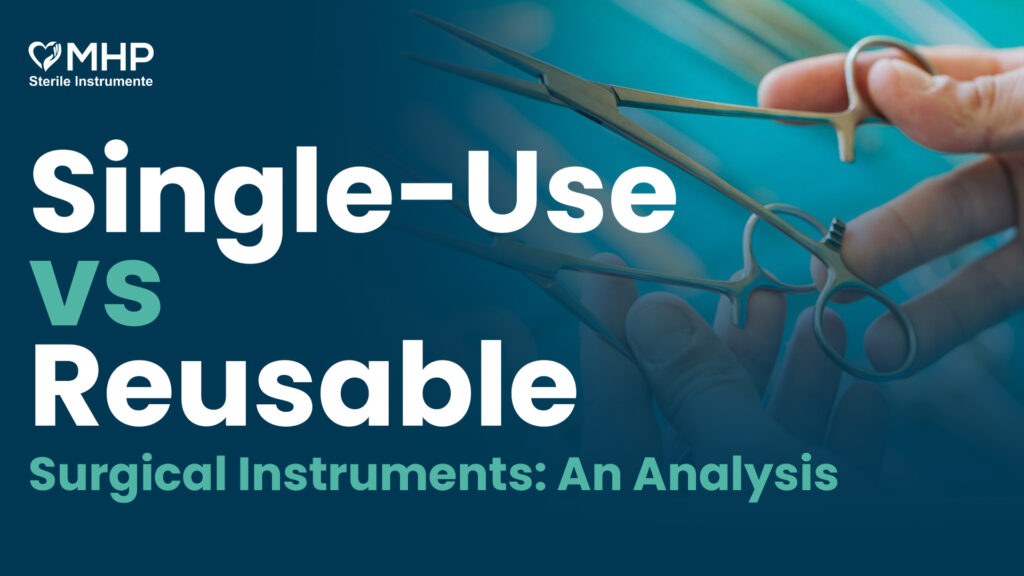
Reusable surgical instruments are designed for repeated use. They are made from high-grade metals like stainless steel. These tools withstand several cycles of sterilization, cleaning, and disinfection, underscoring their durability compared with disposable instruments. Reusable instruments have conventionally been imbued with the virtues of craftsmanship, longevity, and tactical familiarity. They can remain in service for many years with proper cleaning and maintenance.
Definition of Single-Use Surgical Instruments
Single-use surgical instruments, also known as disposable surgical instruments, are designed for a single use during various surgical procedures. These medical devices are disposed of immediately after use. They come sterilized and ready to use. Surgical instrument manufacturers typically use high-quality plastics, medical-grade stainless steel, titanium, or combinations of these materials in their construction, whether single-use or reusable.
Importance in the Surgical Environment
The choice between single-use and reusable surgical instruments impacts operational efficiency, patient safety, and long-term costs for hospitals. This decision affects environmental impact, patient safety, operational efficiency, and long-term cost control. As surgical demands grow and infection control becomes more critical, the importance of choosing the right instruments cannot be overstated.
Single-Use vs Reusable Surgical Instruments
Choosing between single-use and reusable surgical instruments is a complex decision for hospitals that must balance patient safety, cost efficiency, and environmental impact; reusable surgical instruments and single-use surgical devices each offer trade-offs in infection control, operational efficiency, and sustainability. Reusable instruments require strict sterilization protocols and careful reprocess workflows to avoid cross-contamination and reduce the risk of surgical site infections, while single-use instruments and disposable medical supplies arrive ready to use, eliminating the need for cleaning and lowering the risk of infection between patients at the expense of increased medical waste and single-use medical devices’ environmental impact. A true cost analysis or life cycle assessment often reveals that in high-volume surgical centers, the per-use and long-term costs of sterilized, reusable tools and devices can be lower than those of single-use equivalents, though single-use kits and single-patient disposables may be preferable for highly specialized or emergency procedures. Surgeons and clinic managers evaluating the single-use vs. reusable debate should weigh safety and performance, sterilization capacity, protocol compliance, and the healthcare system’s sustainability goals to determine which option best supports both patient safety and waste reduction in modern healthcare.
Learn more about our recent article on Surgical Instrument Maintenance: Enhancing Patient Safety.
Cost Analysis
Reusable instruments have a higher upfront cost, but the cost per use becomes much lower if a set is used multiple times, making them more economical than disposable instruments in the long run. When considering sterilization infrastructure, labor, maintenance, quality assurance, instrument replacement, and infection-related costs, many single-use instruments are cost-effective for routine and minor procedures. Studies have generally shown that reusable surgical equipment, especially laparoscopic instruments, costs less than single-use equivalents, highlighting the economic advantages of reusable tools. Royal Oak Hospital saved an estimated $275,000 annually by transitioning from disposable to reusable trocars. Sterilization represents an ongoing per-use cost for reusable equipment that is not always included in cost-effectiveness analyses. For low-volume or irregular procedures, single-use instruments might make more sense.
Environmental Impact of Single-Use Surgical Instruments
Single-use medical devices contribute heavily to healthcare waste. Medical plastics alone account for an estimated 5–10% of global plastic waste, a significant concern in the debate of disposable versus reusable products. In England, the NHS generates over 540,000 tonnes of waste each year, with about 30% made up of plastic products. Single-use steel surgical instruments also add significantly to healthcare waste, with the NHS using over two million single-use steel instruments each year. The production of single-use disposable materials was responsible for the majority of the environmental impact of hysterectomy in the United States.
Benefits of Reusable Instruments
Reusable instruments have a lower carbon footprint than single-use alternatives, especially when decontamination processes are efficient. Life cycle assessment studies show that reusable instruments can generate up to 27 times less carbon than single-use equivalents for cataract surgery instrument sets. Reusable instruments are built for repeated use and can remain in service for many years with proper cleaning and maintenance. They allow greater customization and adaptability for specific procedures, especially low-risk ones. Reusable instruments offer long-term and cost-effective solutions, particularly in high-volume settings.
Safety and Infection Control
Safety and Infection Control in modern healthcare requires hospitals to prioritize patient safety when choosing between single-use and reusable surgical instruments, and the debate between single-use and reusable often centers on infection risk, sterilization and reprocessing, and the environmental impact of single-use surgical instruments. Compare single-use equipment and reusable devices by examining per-use cost, life cycle assessment, and long-term cost efficiency: single-use items and disposable instruments offer ready to use, single patient benefits that can reduce the risk of cross-contamination and surgical site infections, while reusable surgical instruments and reusable tools, when cleaned and sterilized under strict sterilization protocols, can deliver cost savings, operational efficiency, and sustainability through reduced medical waste and lower carbon footprint. Surgeons and clinics must balance safety and performance—surgical scissors and other surgical equipment may be single-use equivalents or high-quality, sterilized, reusable options—and follow protocols for safely reprocessing reusable and disposable devices in operating rooms and surgical centers. In many healthcare settings, the true cost, including costs of reusable, the need for sterilization, and the risk of infection control failures, determines whether single-use medical devices or reusable instruments are more cost-effective for high-volume departments, but hospitals must also consider environmental impact, medical supplies management, and the benefit of reusable in reducing waste while ensuring sterile, high-quality care.
Learn more about our recent article on Basic Surgical Instruments & Their Uses.
Infection Control Practices
Infection control is a significant reason why single-use instruments are increasingly favored in Germany and Switzerland. The use of single-use instruments entirely eliminates risks such as organic residue, micro-damage, human error, and sterilization cycle variability associated with reusable instruments. Every patient intervention with single-use instruments is initiated with a sterile instrument, ensuring complete separation between cases. Single-use instruments remove the risk of improper sterilization by being pre-sterilized.
Reprocessing and Sterilization of Reusable Instruments
Reusable devices rely on thorough cleaning, validated decontamination processes, and regular inspection to ensure safe use, a critical factor when comparing them with disposable alternatives. Strict adherence to established standards and best practices for reprocessing is crucial. High-quality reusable instruments are made from robust materials that withstand repeated exposure to heat, chemicals, and mechanical cleaning. Correct handling, appropriate storage, and routine maintenance protect functionality and extend instrument lifespan. Reusable instruments need to be cleaned, sterilized, dried, wrapped, and tracked.
Patient Safety Considerations
Patient safety remains the top priority when selecting surgical instruments, whether they are single-use or reusable. Inadequately reprocessed instruments have led to past incidents, highlighting the importance of strict adherence to standards. When sterilization protocols are followed correctly, infections caused by improper disinfection are rare. The risk of acquiring a surgical site infection from properly sterilized reusable surgical instruments is considered “essentially zero.” Transmission of bloodborne pathogens from improper sterilization is an exceedingly rare event in the United States. Single-use instruments are designed to promote sterility and prevent cross-contamination.
Sustainability and the Future of Surgical Equipment
Choosing between single-use and reusable surgical instruments which is better for your hospital requires weighing patient safety, cost efficiency and environmental impact; single-use instruments and disposable items offer ready to use convenience and reduced risk of cross-contamination between patients, while reusable surgical instruments and sterilized reusable devices can deliver cost savings, lower per-use cost and a lower carbon footprint over the life cycle when cleaned and sterilized under strict sterilization protocols. In modern healthcare and surgical practice, the debate between single-use and reusable often centers on infection control and the risk of surgical site infections, with single-use surgical instruments and devices minimizing infection risk but increasing medical waste and disposable medical costs. Hospitals must implement robust sterilization and reprocessing procedures for reusable tools, devices, and instruments to support safety and performance. Life cycle assessment helps compare single-use equivalents and reusable and disposable options in terms of true cost, the environmental impact of single-use surgical items, and sustainability. High-volume surgical centers, surgical centers, and clinics may find reusable and disposable mixes, such as single-use kits for specific procedures plus durable surgical scissors and highly specialized reusable surgical equipment, that optimize operational efficiency and cost-effective surgical practice. Ultimately, the choice between single-use and reusable or disposable options should consider patient safety, infection risk, support for both patient safety and sustainability goals, sterilization protocols, cost savings over repeated use, reduced medical waste, and the needs of surgeons, operating room staff, and healthcare systems.
Environmental Sustainability Challenges
The environmental impact of healthcare is substantial, with the U.S. healthcare sector contributing an estimated 8%–10% of national greenhouse gas emissions. Each hospital bed can generate more than 10 kilograms of waste per day. Sterilization processes for reusable instruments are water-, energy-, and chemical-intensive. The overall environmental distinction between reusable and disposable instruments starts to gray when lifecycle assessments are applied. Efforts to address sustainability involve exploring recycling, waste segregation, and responsible sourcing rather than relying solely on reuse.
Innovations in Reusable Surgical Instruments
Reusable surgical devices should be designed with cleaning and sterilization in mind. Automated cleaning processes prior to sterilization reduce human-factors-related lapses or deficiencies, enhancing the reliability of reusable instruments versus disposable ones. Hospitals could increase throughput in their sterile processing departments by investing in automated cleaning technologies, such as automated endoscope reprocessors. Manufacturers of duodenoscopes have developed newer models with disposable components and fully disposable models, both of which are FDA-supported.
Trends in the Use of Single-Use vs Reusable Surgical Instruments
German and Swiss healthcare systems increasingly prefer strategic integration of both single-use and reusable instruments. Single-use instruments are increasingly chosen for invasive procedures susceptible to infection, high-volume and outpatient care, emergency and trauma settings, and dental, ENT, and ophthalmological procedures. Reusable instruments remain indispensable for complex surgical interventions, very specialized equipment, and procedures requiring advanced mechanical functionality. The trends point to the increased use of disposable instruments due to the ongoing pursuit of innovation, improved material quality, and more stringent sustainability standards. Future healthcare models will likely continue to balance both options based on outcomes, safety data, and environmental responsibility.
For additional technical standards and global guidelines for medical instruments, consult trusted sources such as the World Health Organization (WHO) and the European Commission’s Medical Devices Regulation (MDR). These organizations provide up-to-date information on safety, compliance, and innovation in healthcare.
You can also explore additional educational resources and product insights directly on our website, on pages such as About Us, Our Products, and Contact Us, where we regularly publish updates and technical information about sterile and single-use instruments.
 Get an instant quote or contact our team to discuss your requirements.
  +4962154562793 |
  info@mhp-gmbh.com